
Without risking a theological debate, it’s clear that something Darwinian is taking place when it comes to some recent developments in Myrtle Beach home refurbishment.
We’re talking about today’s Myrtle Beach man caves.
As one Fort Myers, Florida newspaper writer put it last week (without the slightest hint of irony), “the concept of the man cave is evolving.”
Today’s Myrtle Beach man cave has progressed far beyond the original prehistoric versions—which were little more than saber-tooth tiger-proof grottos. Millennia passed before they developed into the 20th century versions, which were actually indistinguishable from garages. They usually had greasy tool benches, half-empty cans of paint, and dusty jam jars filled with nails and screws that the man-inhabitant couldn’t bear to throw out (even though they were destined to spend eternity in those jars). The luxury versions of these early man caves might have been adorned with splintered skis and some out-of-state license plates nailed to the walls—but that would have been the extent of the décor.
Merriam Webster defines these early man caves as “places women hated to go into.” (All right, maybe MW didn’t actually print that entry, but that was the defining feature in the 50s). Boy have things changed since then! Today’s modern woman isn’t deterred by the modern man cave, which is no longer dominated by tool benches and paint cans. Those are still in the garage, but the man cave has moved into the house. Today’s modern woman doesn’t even call the Myrtle Beach's man caves ‘man caves’ at all. She calls them ‘family rooms’ or ‘TV rooms’ or, in extreme circumstances, ‘sewing rooms.’ Today’s modern woman got rid of the jam jars long ago.
The Fort Myers newspaper article had a terrifically evocative headline: “Modern Man Caves Focus on Solace, Sports and Luxury.” It’s the truth: today’s man caves can have so many gadgets and goodies, women and children frequently elbow the men out of the way. When that happens, the intended ‘solace’ is elbowed out, too. As the article put it, “…they are so cool, everyone wants to use them—kids, wives, in-laws, buddies…”
There may be no way to prevent that, because whole Design Groups are coming into being to maximize the appeal of the man cave. In one of them, the Weber Design Group came up with a “built-in wet bar and zero-corner glass sliders combined with gender-neutral furnishings…” Gender neutrality aside, it is almost universally agreed that a proper town man cave must have a massive television screen (the “no tv, no man cave” principal). Without the screen, the man cave becomes “a living room” —and a throwback living room, at that.
If you are thinking of selling your Myrtle Beach home (but it doesn’t have a proper man cave), being that the man caves of today are such expressions of individual imaginations and taste, it’s probably wise to leave that feature undeveloped. Let the new owners decide how to design their own. Just give me a call—and then after we’ve made the sale (and found you your new Myrtle Beach home), you’ll will have plenty of fun turning it into your dream man cave. Of course, then you should be prepared to be elbowed out by the kids and the in-laws…
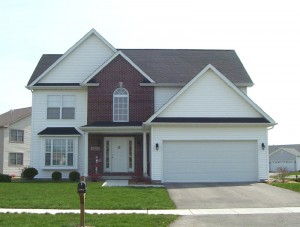 One of CNN’s most popular sites is called CNNMoney. Dollars and cents are its singular focus—no film reviews, fashion statements, or political insights. For Myrtle Beach readers minding their bank accounts, it makes consistently interesting reading.
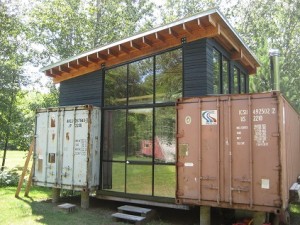 Myrtle Beach residents been hearing about unbelievably tight housing situations in some U.S. cities for many years, but last week there was one report that would have challenged any imagination. This was about a Wharton School graduate who is spawning a new way to afford rents in the San Francisco Bay area. His solution: live in a shipping container.
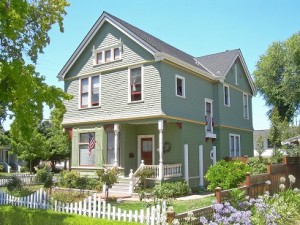 In a perfect world, before you set about selling your Myrtle Beach property you would have emptied it of all evidence of human habitation, called in the best staging pros on the planet, and set off to vacation in a Caribbean island spa-hotel so you could sift through the dozens of offers in comfort.
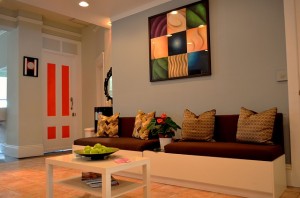 For many homes that will be listed for sale in Myrtle Beach, virtual tours will be part of their prospective buyers’ experience. It’s increasingly common that in addition to the eye-catching still photographs that enhance the online listing, some form of clickable virtual tour is there, as well.
 For Myrtle Beach homeowners, the news was a long time coming. The bounce back from last decade’s dizzying plummet in the nation’s residential housing values has been underway for quite a while now—but those values hadn’t quite returned to their former heights.
 A Myrtle Beach “spec” home is a residence that has been designed and built by a Myrtle Beach entrepreneur who has no pre-existing sales order. Myrtle Beach spec homes are bold ventures: they have to be built with confidence that the design and execution will be attractive enough to generate a sale. To return a profit that’s worth the risk, the sale has to be realized quickly enough to offset the considerable costs advanced.
 For an increasing number of Myrtle Beach residents, what used to be a slam dunk assumption—that owning your home is preferable to opting for a Myrtle Beach rental home—is no longer so self-evident. The powerful reasons for owning are still there: ownership still means that you are building equity over time; it still means you are free from a landlord’s control; and it still means you have the psychological benefits of being the possessor of the place where you live, and the standing in the community that accrues to the permanence that implies.
 When you put your Myrtle Beach home on the market, your most effective marketing mechanism isn’t the front yard For Sale sign—although that sign is certainly one way to generate valuable neighborhood awareness. It’s not the well-designed ad your Realtor® publishes, even in the most well-read Myrtle Beach newspaper or magazine—although those expensive insertions can draw valuable inquiries.